
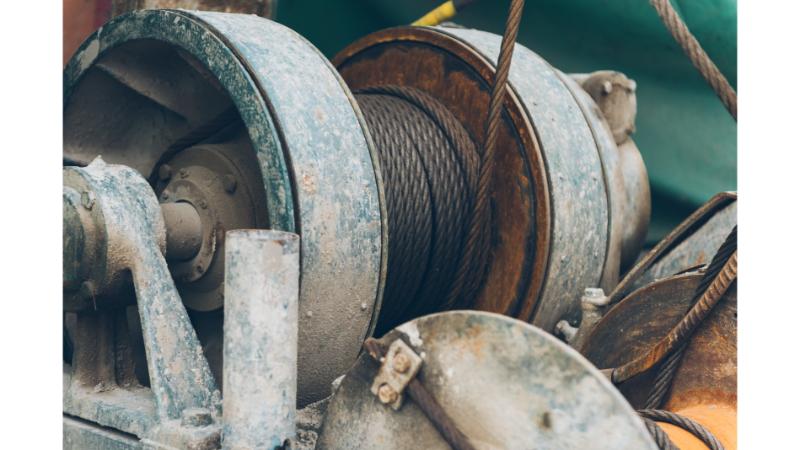
In demanding industrial environments, equipment reliability depends heavily on how well critical components are maintained. Wire ropes, in particular, are exposed to constant tension, friction, and environmental stress, making them vulnerable to wear over time. To keep operations running smoothly and safely, many industries rely on wire rope lubricants as a core part of their maintenance strategy.
Why Wire Rope Maintenance Is So Important
Wire ropes are used in lifting, hoisting, towing, and securing heavy loads across multiple industries such as construction, mining, shipping, and manufacturing. Because these ropes are made of multiple steel strands, they experience continuous internal movement during use. Without proper maintenance, this movement creates friction that gradually weakens the rope from the inside. Even if a wire rope appears fine externally, internal damage can develop silently, increasing the risk of unexpected failure. This is why proactive maintenance is essential rather than reactive repairs.
Reducing Internal Friction and Wear
One of the primary functions of lubrication is to reduce friction between individual wires and strands. As wire ropes flex and move under load, unlubricated surfaces grind against each other, leading to wear and structural fatigue. Proper lubrication ensures smoother movement within the rope structure, reducing stress on the metal and improving overall flexibility. This helps the rope maintain its strength and performance for a longer period.
Protection Against Rust and Environmental Damage
Industrial environments often expose wire ropes to moisture, dust, chemicals, and extreme weather conditions. These elements can accelerate corrosion, especially when they penetrate deep into the rope structure. A quality lubricant acts as a protective barrier, helping to prevent water and contaminants from reaching the steel core. This significantly reduces the risk of rust formation and extends the rope’s usable life, particularly in outdoor or marine applications.
Improving Equipment Efficiency and Performance
Well-lubricated wire ropes contribute to smoother machinery operation. Reduced friction means less resistance during movement, allowing cranes, hoists, and winches to operate more efficiently. This improved efficiency not only enhances performance but also reduces strain on mechanical systems. Over time, this leads to lower energy consumption and less wear on connected components such as pulleys and motors.
Extending Service Life and Reducing Costs
Replacing wire ropes can be costly, especially in large-scale industrial operations where downtime also impacts productivity. Regular application of lubricants helps slow down wear and corrosion, significantly extending the service life of the rope. By increasing longevity, businesses can reduce replacement frequency and maintenance expenses, resulting in better long-term cost efficiency.
Enhancing Workplace Safety
Safety is a critical concern in any industry that relies on heavy lifting or tension-based systems. Damaged or poorly maintained wire ropes can fail unexpectedly, posing serious risks to workers and equipment. Lubrication helps maintain the structural integrity of the rope, reducing the chances of sudden failure. A well-maintained rope provides greater reliability, contributing to a safer working environment.
Simplifying Maintenance Practices
One of the biggest advantages of modern lubrication solutions is ease of application. Many products are designed for quick and efficient use, allowing maintenance teams to service equipment without long downtime or complex procedures. This simplifies routine maintenance schedules and ensures that wire ropes remain in optimal condition with minimal disruption to operations.
Final Thoughts
Effective maintenance is essential for keeping industrial operations safe, efficient, and cost-effective. By reducing friction, preventing corrosion, and extending service life, wire rope lubricants play a vital role in simplifying equipment care. When used consistently, they help improve performance, lower operational costs, and ensure long-term reliability in even the most demanding environments.